
The Guinness Storehouse at St. James’s Gate in the heart of Dublin is a traditional stop on the well-worn tourist path. Here, for a price, you can take a self-guided tour with a pint waiting for you at the end and plenty of opportunity to snap up Guinness merchandise along the way. If you’re looking for something a little more low-key, however, try taking a trip to the true birthplace of the mighty pint.
The Cashel Palace Hotel is located right in the middle of Cashel, County Tipperary. The song doesn’t lie, it’s a long way to Tipperary. To be more precise, it’s about 100 miles from Dublin to Cashel with a drive time of about 2 hours unless, like me, you get stuck behind a tractor, a combine harvester and sheep. Once you get into town, however, it’s a straight shot to the hotel, which is a very grand affair of red brick and limestone, filled with wood paneling, elegant staircases and barley sugar banisters.
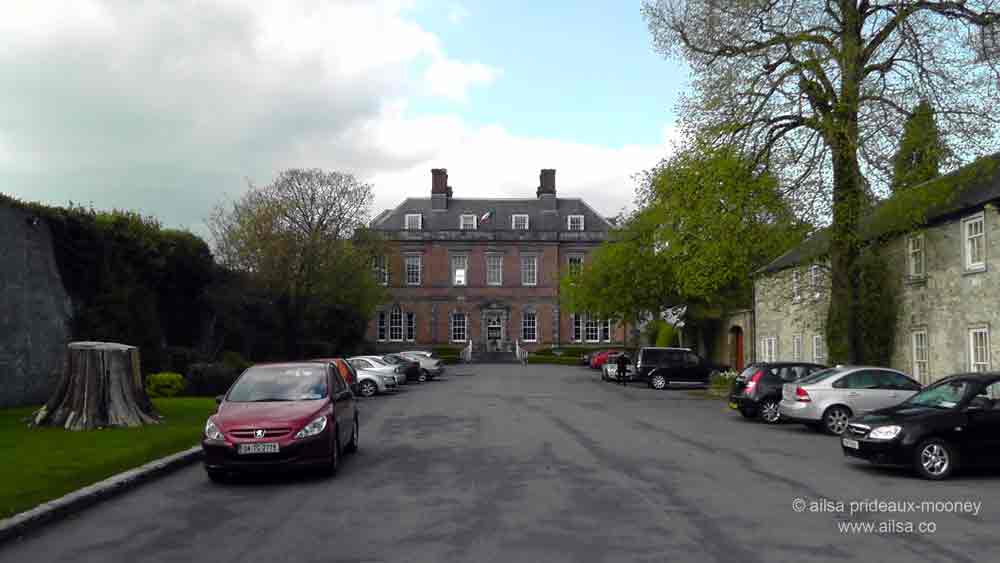
If you’re looking for the birthplace of Guinness, take the narrow staircase down to the lower levels and go through the archway into the gardens behind the palace.
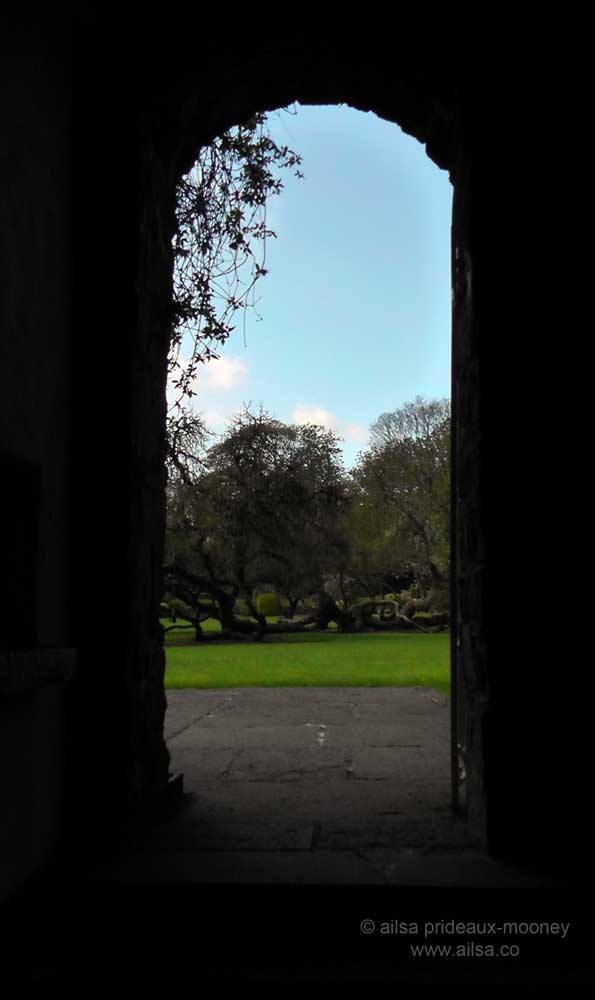
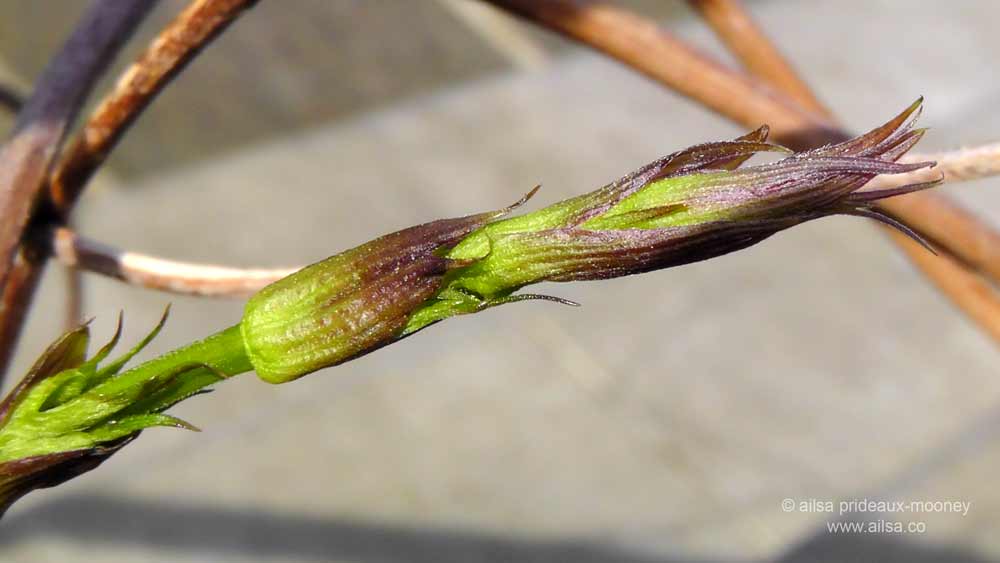
There, tightly curled around silver railings, are the tendrils that gave birth to the legendary drink, and if you go down a further flight of steps you’ll find the appropriately named Guinness Bar where the bartender will happily fill you in on the history of the famous pint.

Back in the 1740s a land steward named Richard Guinis worked here for the then Archbishop of Cashel, Arthur Price. The Archbishop had a hobby, brewing ale, and to that end he had about 25 feet of hops planted in the garden behind the palace. The brewing took place in the cellar, where the bar is now located. On the 17th of August 1740 Richard was messing around with the brew and roasted the hops into the mash instead of the barley and by doing so created a darker beer. Everyone on staff loved it, dubbing it “The Wine of Ireland” so the Archbishop and Richard took out a patent on it. The Archbishop named it after Richard, spelling his name the way we recognize it today; Guinness. The recipe was passed on to Richard’s son, Arthur, who went on to open up the now iconic brewery at St. James’s Gate in Dublin and the rest, as they say, is history.
The tendrils twining around the railings are what remains of the original hop plants Richard used on that fateful day. Even in the chill of early spring when I visited, the hops were still bursting with vigour.
It’s thirsty work looking for legends, so what better way to quench your thirst than with a pint of the black stuff.
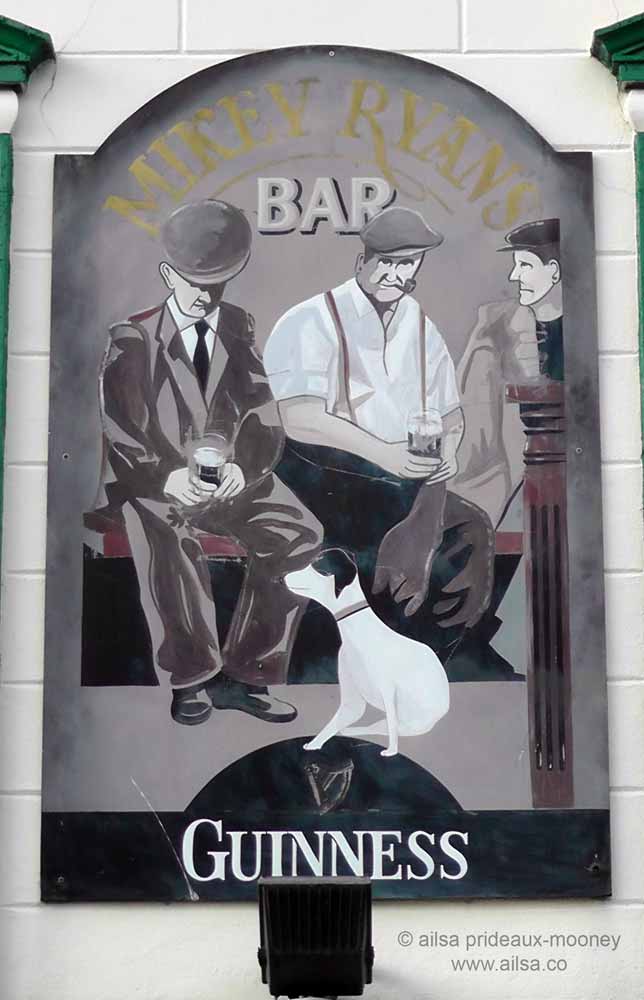
I’ll leave you with a fitting poem by Flann O’Brien.
The Workman’s Friend
When things go wrong and will not come right,
Though you do the best you can,
When life looks black as the hour of night –
A pint of plain is your only man.
When money’s tight and hard to get
And your horse has also ran,
When all you have is a heap of debt –
A pint of plain is your only man.
When health is bad and your heart feels strange,
And your face is pale and wan,
When doctors say you need a change,
A pint of plain is your only man.
When food is scarce and your larder bare
And no rashers grease your pan,
When hunger grows as your meals are rare –
A pint of plain is your only man.
In time of trouble and lousey strife,
You have still got a darlint plan
You still can turn to a brighter life –
A pint of plain is your only man.
Sláinte. xxx Ailsa


 Where's my backpack?